
When you start looking at exterior upgrades, trim often gets treated like an afterthought. Most people focus on the main siding first, then realize the trim needs attention, too. James Hardie Trim Board Siding changes that conversation because it handles both form and function in ways that cheaper materials struggle to match.
The decision about trim connects to bigger questions about how you manage your household income and where your money actually goes.
Between housing costs, property taxes, food costs, and medical care, most American households spend a significant portion of their monthly income before they even think about home improvements.
Understanding how trim fits into that picture helps you plan more effectively without feeling like you’re making decisions in the dark.
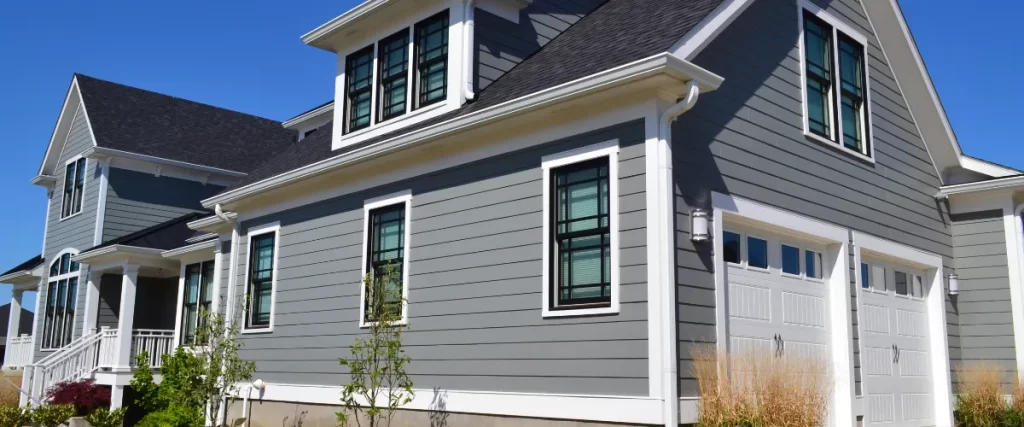
What James Hardie Trim Board Siding Is
James Hardie Trim Board Siding uses fiber cement technology to create trim pieces that resist rot, warping, and moisture damage.
The material combines cement, sand, and cellulose fibers into boards that can be cut, shaped, and installed around windows, doors, corners, and rooflines. Traditional wood trim looks great initially, but demands constant upkeep.
Water seeps into joints and edges, causing rot that spreads quickly if you don’t catch it early. Paint peels. Boards warp. Insects find soft spots and move in. Within a few years, you’re facing repairs that eat into your monthly expenses in ways you hadn’t planned for.
Fiber cement trim holds up differently. It handles moisture exposure without breaking down.
It keeps its shape through temperature swings that would warp wood or crack vinyl. The finish stays intact longer, which means fewer trips to the hardware store and less time spent on maintenance when you’d rather be doing something else.
How Trim Decisions Fit Your Cost of Living
When you evaluate the cost of living in your current city, you’re probably using some version of a living calculator or looking at labor statistics and tax data to figure out if your salary stretches far enough.
Cities like San Francisco or San Diego have high housing expenses that take up a massive chunk of pre-tax household income before you even consider transportation, groceries, or car payments.
A living comparison calculator can show you how different cities stack up, but the numbers only tell part of the story. Your lifestyle shapes how you spend money, and home maintenance falls into that picture, whether you planned for it or not.
Trim that requires constant repair becomes a hidden expense that compounds over time. If you’re already paying rent or a mortgage that consumes a major expense portion of your current household income, adding frequent maintenance costs makes everything harder.
Better materials reduce that burden. They let you budget effectively by eliminating surprise repairs and giving you more control over your monthly expenses.
When you compare two cities or think about moving to a new location, factors like job security, access to public transportation, and overall cost matter. The same thinking applies to home materials.
You’re weighing upfront costs against long-term performance to determine what actually saves you money over the years you’ll live there.
Performance Features That Matter
Several qualities make James Hardie Trim Board Siding worth considering when you’re comparing options:
- Moisture resistance: Protects against rot and structural damage at vulnerable points
- Paint retention: Holds finish longer than wood, reducing repainting frequency
- Fire performance: Handles heat exposure better than vinyl or wood alternatives
- Design flexibility: Available in different widths and profiles for various architectural styles
Durability plays a bigger role than most people expect. Trim sits at vulnerable points where water naturally collects. If the material breaks down, moisture gets behind your siding and into wall cavities.
That leads to mold, insulation damage, and structural problems that cost far more to fix than the trim itself. James Hardie Trim Board Siding holds up at those weak points.
It gives you a stable barrier that performs consistently, which matters when you’re trying to maintain a home while managing all the other necessities that take up your income.
Installation Costs and What Influences Them
Pricing for James Hardie Trim Board Siding varies depending on your home size, design complexity, and location. Labor rates differ significantly between metro areas and smaller towns.
What you’d pay in a high-cost-of-living city looks different from what you’d spend somewhere with lower housing costs and monthly expenses.
Homes with intricate trim details require more labor time. Corner boards, window casings, door surrounds, and decorative elements add to the total. If your existing trim needs extensive prep work or removal, that increases costs too.
The material itself sits higher in price compared to vinyl or standard wood trim. But the cost of living comparison goes beyond initial spending. When you factor in reduced maintenance, longer lifespan, and fewer repairs, the economic research suggests fiber cement often delivers better value over time.
American households spent increasing amounts on housing expenses in recent years, and that trend shows up in community and economic research data across different locations.
When housing costs rise, every other expense gets scrutinized more carefully. Choosing materials that hold up means you’re not constantly pulling from your monthly income to cover repairs.
What Shapes Final Pricing
Several elements determine how much you’ll spend on trim installation. Home size affects the total amount of material needed. Design complexity influences labor time and skill requirements. Your location shapes both material availability and labor rates. Prep work matters more than most people expect.
Removing old trim, repairing underlying damage, and ensuring proper flashing all add to the project scope. Homes with extensive rot or structural issues require more work before new trim can be installed. Labor costs vary depending on your area, the contractor’s experience, and the project timeline.
Paying for quality installation makes a difference because improper work leads to problems that show up later and cost more to fix than doing it right initially.
Comparing James Hardie to Other Trim Options
Wood trim brings natural beauty and traditional appeal. It can be milled into intricate profiles and detailed shapes that match historic architecture. But it requires regular painting, caulking, and inspection to catch problems early. Water damage shortens its lifespan considerably, especially in climates with heavy rain or snow.
Vinyl trim costs less upfront and resists moisture better than wood. It installs quickly and doesn’t need painting. But it can crack in cold weather, warp in heat, and fade under constant sun exposure.
The material also limits your design options because it doesn’t hold fine details as well as wood or fiber cement.
PVC trim offers another alternative with good moisture resistance and low maintenance. It performs better than vinyl in temperature extremes but can feel plasticky and may not suit every architectural style. James Hardie Trim Board Siding sits at a higher price point but delivers on durability and appearance.
It suits homeowners who want the look of wood without the constant upkeep, and who value materials that protect their investment over the long term.
How Location Shapes Your Decision
Where you live influences how you think about home improvements. In cities with a high cost of living index, every dollar counts differently.
Your purchasing power determines what you can afford and how much flexibility you have when unexpected expenses come up. If you’re paying high property taxes, income taxes, and rent, a major expense like trim replacement feels heavier.
But if you understand how materials perform in your specific climate and how they affect ongoing costs, the decision becomes clearer.
Someone in a wet climate deals with moisture issues that someone in a dry area never sees. Public transit access might mean you spend less on transportation, giving you more room in your budget for home improvements. Other factors like food prices, medical costs, and job security all play into how you allocate your household income.
When American households compare their living in one city to another, they’re usually looking at the national average for expenses and trying to determine if they can afford life in a new city.
The same practical mindset applies here. You’re figuring out what makes sense given your salary, your monthly expenses, and how much of your pre-tax household income remains after you cover rent, groceries, car payments, and other necessities.
Long-Term Value and Financial Planning
Every home improvement affects your overall financial picture. Trim might seem minor compared to replacing a roof or installing new siding, but it plays a bigger role than most people realize.
Poor trim leads to water intrusion. Water intrusion leads to structural damage. Structural damage becomes expensive quickly. James Hardie Trim Board Siding reduces those risks. The material performs reliably at vulnerable points, which means fewer surprises and more predictable spending.
When you’re already managing housing costs, transportation, food, and medical care, having one less thing to worry about makes daily life smoother.
If you’re trying to budget effectively, you’re probably weighing every expense against your current household income and thinking about how to spend money in ways that actually improve your life.
Quality trim reduces maintenance time and cost, which frees up resources for other priorities. The local level matters too. Different locations have different cost structures, and what works in one metro area might not make sense somewhere else.
But regardless of where you live, materials that last longer and require less attention generally support better financial stability over time.
Working With Professionals
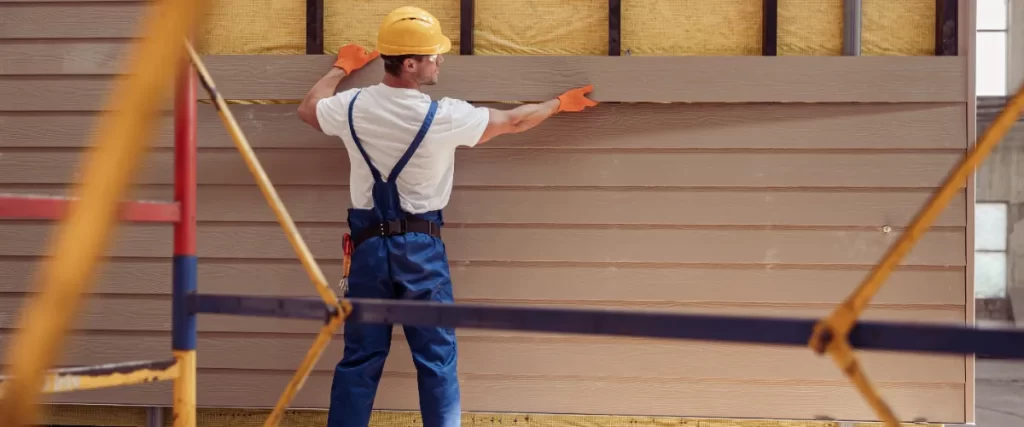
Trim installation requires precision and knowledge of how buildings handle water. Proper flashing, caulking, and alignment determine whether the trim protects your home or creates new problems.
Most homeowners prefer working with professionals who understand these details and can handle the installation correctly. Professionals bring experience with different materials, climates, and building styles.
They know how to address unexpected issues that come up during projects and can complete work efficiently without leaving you waiting for weeks.
When you’re already managing work, family, and all the other demands on your time, handing off a project to someone who knows what they’re doing makes more sense than trying to figure it out yourself.
Making the Decision That Fits Your Life
James Hardie Trim Board Siding offers solid performance, durability, and long-term value for homeowners who want materials that hold up without constant attention.
But sorting through product specifications, calculating costs, comparing materials, and planning installation takes time you might not have. At some point, reaching out to professionals who handle this regularly becomes the simpler choice.
Instead of spending evenings researching siding installation options and weekends trying to coordinate schedules, you can focus on the parts of life that actually matter to you. If you’d rather spend your time on things other than trim boards and installation logistics, we can help make the process easier.
Call us at (402) 651-1493 or message us here to discuss your ideas and figure out what makes sense for your home.