Look up at the underside of your roof eaves. What do you see? If you’re like most homeowners dealing with peeling paint, rotting wood, or those unsightly water stains, you’re probably tired of repainting every few years.
The soffits on your home work harder than you might think, protecting your roof structure while properly venting your attic. When they start failing, you’ve got bigger problems than curb appeal.
James Hardie soffit panels offer a solution that actually lasts. Unlike wood that warps or vinyl that melts in the summer heat, fiber cement handles whatever Omaha’s weather throws at it.
What Makes James Hardie Soffit Panels Different?
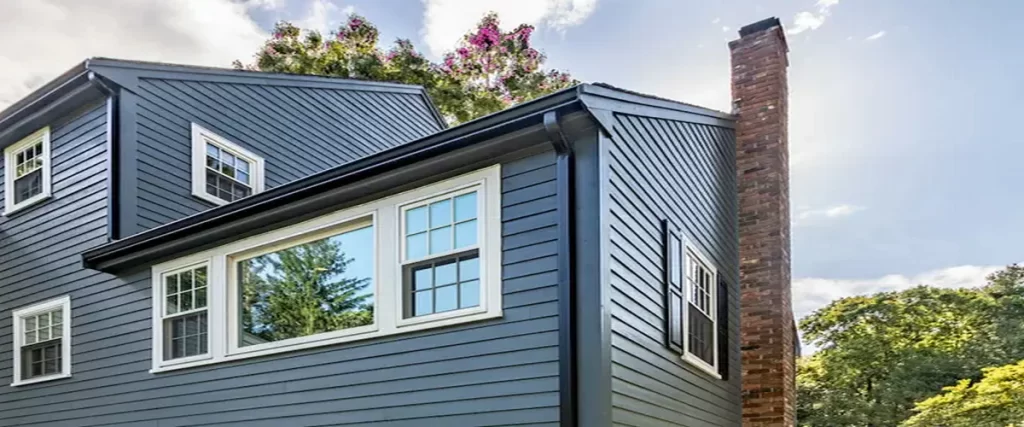
James Hardie manufactures its soffit panels from fiber cement, the same material it uses for its premium siding products.
Think of it as concrete that’s been engineered to be lightweight and workable. The panels resist moisture, won’t rot, and they’re not a buffet for termites like wood alternatives.
Here’s what sets them apart from your typical home improvement store options:
| Feature | James Hardie Fiber Cement | Wood | Vinyl | Aluminum |
| Lifespan | 50+ years | 10-20 years | 20-30 years | 30-40 years |
| Fire Resistance | Non-combustible | Flammable | Melts at high temps | Non-combustible |
| Moisture Damage | Highly resistant | Prone to rot | Can warp | Can dent/corrode |
| Paint Retention | 15+ years | 3-5 years | Cannot repaint | Can peel |
| Maintenance | Minimal | High | Low to moderate | Moderate |
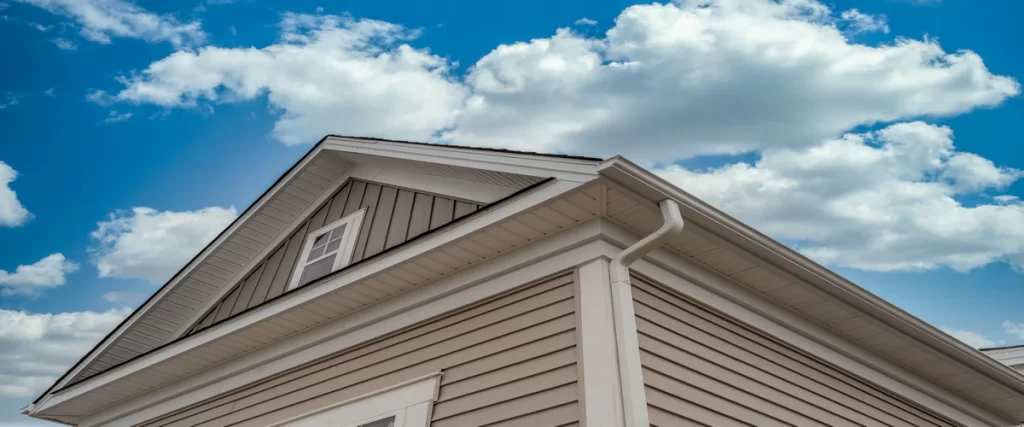
You can get these panels in both vented and non-vented profiles. The vented ones have small perforations that let your attic breathe, which matters more than you’d think.
Proper attic ventilation keeps your energy bills down and prevents ice dams in winter. Most building codes actually require specific ventilation ratios, something the Department of Energy explains in detail for different climate zones.
The panels feature a smooth finish that meets aesthetic needs without appearing industrial. Some homeowners worry that fiber cement will look too commercial, but James Hardie has refined their products to create clean lines that complement any home style.
Breaking Down the Costs
James Hardie soffit panels typically run between $3 to $6 per square foot for materials alone. Installation costs add another $4 to $8 per square foot, depending on your home’s configuration.
Complex roof eaves with lots of angles? Expect to pay toward the higher end. A simple ranch with straightforward lines? You’ll save some money there.
For an average home needing 300 square feet of soffit replacement, you’re looking at:
- Materials: $900 to $1,800
- Labor: $1,200 to $2,400
- Total project cost: $2,100 to $4,200
Now compare that to replacing wood soffits every 12-15 years. Factor in the repainting every 4-5 years at $800-1,200 per job.
The math starts working in fiber cement’s favor pretty quickly. If you’re planning to stay in your home for years to come, James Hardie becomes the economical choice.
How James Hardie Fiber Cement Compares to Other Materials
Wood: The Traditional Choice
Wood soffit has been the standard for decades. It’s easy to work with, readily available, and contractors know it inside out. But moisture is wood’s enemy.
One small leak from clogged gutters and you’re dealing with rot. Woodpeckers also love making holes in wood soffits, creating entry points for squirrels and other wildlife.
You’ll need to prime and paint wood every few years. Miss a spot, and water gets in. That’s when problems start.
Vinyl: The Budget Option
Vinyl soffit panels cost less upfront, no question. They don’t rot, and they’re lightweight. But walk around your neighborhood on a hot July afternoon and you’ll see warped vinyl everywhere. The material expands and contracts with temperature changes. In extreme heat, it can actually sag or melt near your roof line where heat builds up.
Vinyl also fades. That crisp white you installed? Give it five years, and it’s looking dingy. You can’t paint vinyl to refresh it either.
Aluminum: The Middle Ground
Aluminum offers better durability than vinyl without the maintenance headaches of wood. It’s naturally moisture-resistant and won’t rot. The problem? Dents. One good hailstorm and your aluminum soffit looks like a golf ball. Plus, the paint can chalk and fade over time.
Installation Tips and Code Requirements
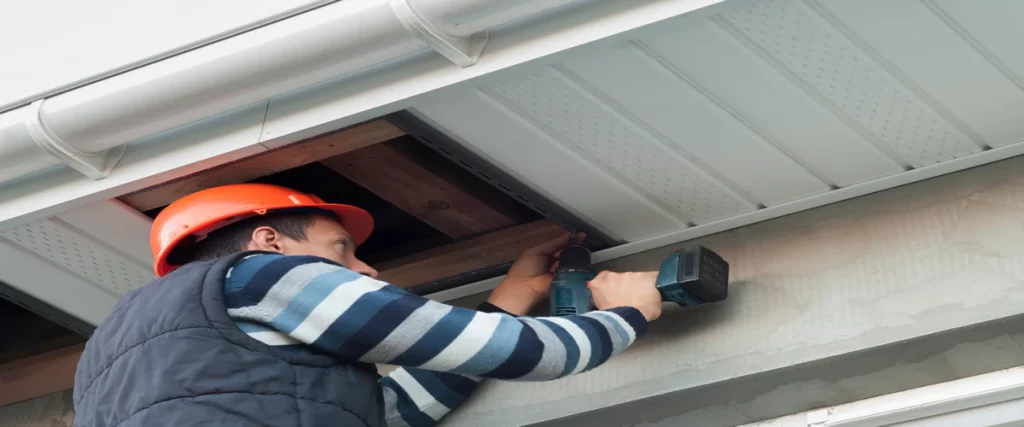
Installing James Hardie soffit isn’t a weekend DIY project for most homeowners. The panels are heavy, require specific cutting tools, and require you to follow the manufacturer’s instructions precisely to maintain your warranty. Improper installation voids everything.
You’ll want to order samples before committing to a full installation. James Hardie offers small sections you can view in person, which helps you see how the smooth finish will look against your existing trim and siding.
Most municipalities require permits for soffit replacement. Your local building department will want to see that vented profiles meet minimum ventilation requirements.
The International Residential Code specifies calculations for net free ventilation area, but your inspector will verify that everything complies during the final walkthrough.
Here’s what proper installation involves:
- Remove existing soffit materials completely
- Inspect and repair any damaged fascia boards
- Install proper backing and support structure
- Cut James Hardie panels to fit (they create a lot of silica dust, so respirators are mandatory)
- Secure panels according to spacing requirements
- Seal all joints and edges
- Apply caulk and trim pieces
The panels need room to expand slightly, so installers leave small gaps that get filled with flexible caulk. Nail them too tight, and they’ll crack. Too loose and they’ll rattle.
Frequently Asked Questions About James Hardie Soffit Panels
Can I paint James Hardie soffit panels to match my home?
Yes, but you probably won’t need to. The panels come pre-primed and can be painted with 100% acrylic latex paint. Most homeowners select white or a color that coordinates with their existing trim, then enjoy 15+ years before considering a fresh coat. If you do paint them, make sure to use products approved by James Hardie to maintain your warranty coverage.
How do vented soffit panels affect my attic temperature?
Vented James Hardie panels allow continuous airflow into your attic space, working with your ridge vents to create natural convection. This keeps your attic closer to outdoor temperatures, reducing cooling costs in summer and preventing moisture buildup year-round. The perforations are small enough to keep insects out while still allowing plenty of air to pass.
Will James Hardie soffit work with my existing fascia and trim?
Absolutely. These panels are designed as key construction elements that integrate with various trim profiles and siding styles. You can match them with wood fascia, PVC trim, or even aluminum. The smooth surface complements everything from traditional lap siding to modern board-and-batten. Just make sure your installer accounts for the thickness difference if you’re replacing thinner vinyl.
What happens if a panel gets damaged years down the road?
Individual panels can be replaced without tearing off your entire soffit system. An experienced contractor can remove the damaged section, share the replacement piece to match, and install it so you’d never know there was a repair. Keep extra panels from your original installation if possible, though James Hardie maintains consistent product lines.
Do these panels require special maintenance?
Not really. Rinse them with a garden hose once a year to remove dirt and pollen. That’s it. No sanding, no scraping, no repainting every few years. If you notice any caulk joints that have deteriorated over time, just recaulk them. The panels themselves will outlast most other exterior components.
Let the Professionals Handle It
You’ve now got the complete picture on James Hardie soffit panels. But here’s the reality: shopping for samples, calculating ventilation requirements, wrestling with heavy fiber cement panels while balanced on scaffolding, and making sure everything meets code requirements? That’s a lot to take on.
Why stress over it when experienced professionals can handle the entire project correctly the first time? We know James Hardie products inside and out. The quality of our siding installation speaks for itself, and we’ll make sure your new soffit panels protect your home for decades to come.
Call us at (402) 651-1493 or message us here to schedule a free consultation. We’ll assess your current soffit condition, identify any underlying issues that need attention, and provide a detailed estimate.