
When homeowners start thinking about replacing their siding, the conversation usually begins with two questions: what will hold up, and what can I actually afford?
James Hardie Plank Lap Siding comes up often in those discussions, and for good reason. It sits at a point where durability meets design without asking you to compromise too much on either side.
But siding decisions don’t happen in a vacuum. They bump up against all the other financial realities you’re already managing, housing costs, property taxes, food prices, medical care, and everything else that determines whether you’re comfortable or stretched thin in your current city.
Understanding how this product fits into the bigger picture can make the decision feel less overwhelming.
What James Hardie Plank Lap Siding Actually Is
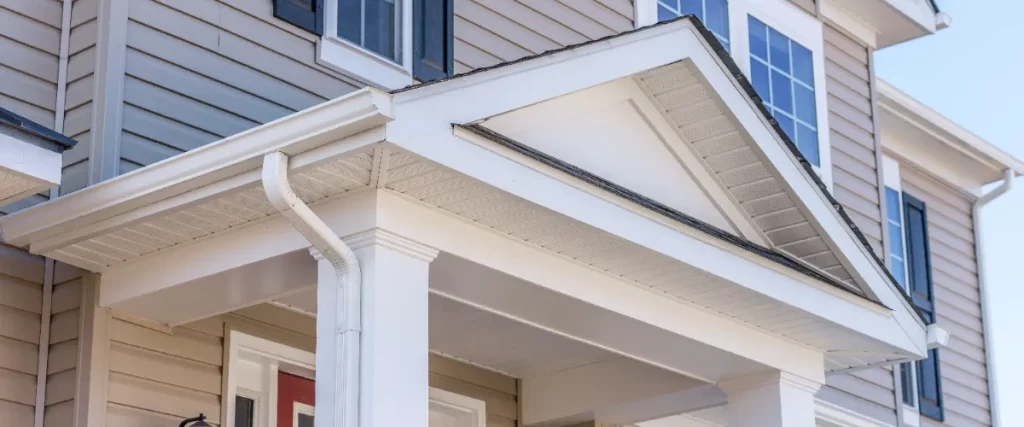
James Hardie Plank Lap Siding is a fiber cement product designed to look like traditional wood lap siding while handling weather and time far better. The material combines cement, sand, and cellulose fibers into panels that resist warping, cracking, and rot in ways that wood and vinyl often can’t match.
If you live somewhere with hot summers, freezing winters, or unpredictable storms, durability starts to matter more than aesthetics alone.
Wood siding looks beautiful, but it demands regular painting and repair. Vinyl holds up against moisture but can crack in extreme cold or fade under constant sun. Fiber cement handles moisture better, resists insect damage, and keeps paint looking fresh for years longer than most alternatives.
The planks create a clean horizontal pattern that works with almost any architectural style. Whether your home was built last year or sixty years ago, the look fits naturally without feeling forced or out of place.
How Siding Fits Into Your Overall Cost of Living
Choosing siding might seem like a single project, but it connects to larger questions about how much it actually costs to live where you do.
In places like San Francisco or other expensive metro areas, housing expenses, income taxes, and everyday costs already take up a significant portion of your salary. A siding project represents a major expense, but it also influences future costs in ways that aren’t immediately obvious.
Better siding reduces maintenance needs over time. It improves insulation, which lowers heating and cooling bills. It protects your home from water damage that could turn into expensive repairs down the road. When you’re already paying high rent or property taxes, those long-term savings start to look more appealing.
Many people use a living calculator or a living comparison calculator to figure out how far their income stretches in different cities or when considering a move to a new city. The same mindset applies here. You’re weighing upfront costs against future savings, trying to determine what gives you the most purchasing power over time.
If you’re budgeting effectively, you’re probably already thinking about how every decision affects your ability to afford services, groceries, childcare, healthcare, and everything else that makes up daily life. Siding that lasts longer and requires less attention frees up money and time for those other priorities.
Product Features That Make a Difference
Several qualities make James Hardie Plank Lap Siding stand out when homeowners compare options:
- Durability: Engineered to resist harsh weather, rot, and structural damage
- Low maintenance: Requires repainting far less often than wood
- Fire resistance: Adds an extra layer of protection to your property
- Stable finish: Maintains its appearance year after year
- Design flexibility: Works with a wide range of home styles
These features matter when you’re thinking about long-term living calculations. When food costs rise or medical expenses increase unexpectedly, knowing your home’s exterior won’t demand immediate attention or unplanned spending provides a quiet kind of stability.
Installation Costs and What Shapes Them
Pricing for James Hardie Plank Lap Siding varies depending on several factors. Home size determines how much material you need. Design complexity affects labor time. Your location influences both material availability and labor rates.
Labor costs differ significantly between metro areas and smaller towns. What you’d pay in California might look very different from costs in the Midwest or another part of the country. Homes with intricate trim or extensive prep work add to the total, as does any structural repair needed before installation begins.
The upfront cost sits higher than vinyl but lower than some premium wood options.
What makes it worth considering is how it performs over time. Homes with quality siding often see lower heating and cooling expenses. That translates to steadier monthly payments, which helps when you’re allocating income toward transportation, education, rent, or other essential expenses.
When you compare housing expenses across different cities or two cities you’re considering, siding might seem minor next to taxes or rent. But its contribution to property value and reduced maintenance costs becomes meaningful over the years, especially if you plan to stay in your home long-term.
Comparing James Hardie to Other Materials
Vinyl siding appears more affordable initially. It resists moisture and installs quickly, which appeals to homeowners working within a tight budget. But it struggles with temperature extremes. Cold makes it brittle. Heat causes warping. UV exposure leads to fading that can make your home look worn within a decade.
Wood siding brings natural beauty and charm. It fits certain architectural styles perfectly. But it demands frequent upkeep, and water damage shortens its lifespan considerably. Most people who choose wood understand they’re committing to ongoing maintenance cycles.
James Hardie Plank Lap Siding sits in the middle to upper range in terms of cost, but it delivers on performance and longevity. It suits homeowners willing to invest more upfront to avoid constant repairs and replacements. The material supports both structural resilience and long-term property appreciation, which matters if you ever decide to sell or move to a different location.
How Lifestyle and Location Influence Your Decision
Your lifestyle shapes how you approach home improvements. Someone living in a busy city with high living costs might prioritize low maintenance over customization options. Another person in a quieter town might value curb appeal and architectural detail more.
When people evaluate their living in a certain area compared to other locations, they often rely on tax data, labor statistics, and economic information to determine how their expenses and income balance out.
That same practical thinking applies to siding. You’re deciding where to invest your money, time, and energy in ways that support how you actually live.
If inflation shifts food prices or healthcare fees fluctuate, having one less thing to worry about makes daily life easier. James Hardie Plank Lap Siding becomes part of long-term planning, offering a stable exterior while you focus on broader household priorities.
Financial Planning and Ongoing Maintenance
Every home improvement project affects your overall financial picture. When considering siding, you’re weighing the decision against other responsibilities: education costs for kids, medical care, property taxes, routine home upkeep, and everything else that determines how you spend and save.
James Hardie Plank Lap Siding reduces maintenance demands. Fewer repair cycles free up resources for entertainment, travel, or simply more predictable savings. That matters when you’re trying to plan life at the local level, where factors like county fees, housing costs, and access to affordable services shape daily choices.
Understanding how these living decisions influence stability makes the choice feel more grounded. You’re not chasing trends or making impulsive calculations. You’re figuring out what works for your household in your community.
What Determines Final Pricing
Several elements shape the final cost of siding installation:
- Home size: Influences total material quantity
- Labor rates: Vary depending on your city or metro area
- Material choices: Impact both durability and finish quality
- Trim complexity: Affects installation time and precision
- Location demands: Shape overall investment
Each homeowner’s situation carries unique financial considerations. Planning carefully and comparing these factors leads to more confident decisions, especially when you’re already managing multiple expenses.
When to Bring in Professionals
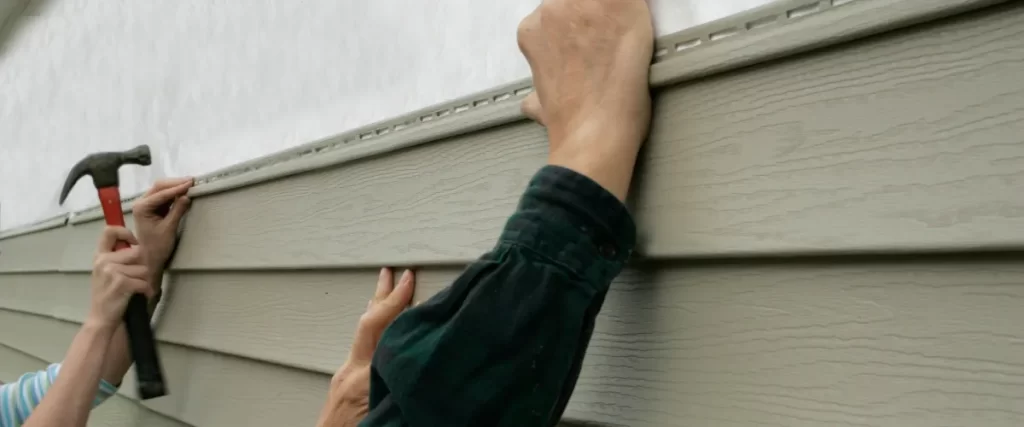
Siding installation requires precision. Proper work ensures moisture control, structural alignment, and long-term performance. Mistakes lead to water damage, compromised insulation, and premature failure that costs more to fix than doing it right initially.
Professionals bring experience and awareness of structural details most people would rather not manage themselves. That becomes especially relevant when projects overlap with other financial planning and life logistics.
Deciding What Makes Sense for You
James Hardie Plank Lap Siding offers a practical balance of performance, resilience, and long-term value for homeowners who understand how much the exterior of a house influences its overall condition and comfort. But reading through product details, calculating living expenses, evaluating cost of living data, and comparing multiple factors can feel like a lot to carry.
At some point, many people decide their time is better spent elsewhere. Instead of managing every detail, they choose to work with siding installation professionals who can guide the process clearly and efficiently.
If you’d rather focus on enjoying your home than sorting through every technical variable and economic consideration, reaching out might be the easier choice. Call us at (402) 651-1493 or message us here to discuss James Hardie Plank Lap siding and see how it fits your home and budget.