
If you have been searching for a way to give your house a fresh, modern appearance, you might have noticed a growing trend toward vertical lines and clean finishes. James Hardie panel siding is often at the center of these conversations.
James Hardie‘s fiber cement siding has become a favorite for many families because it offers a sturdy alternative to wood or vinyl. It weathers elements beautifully and gives you room to be creative. Whether you want a clean, modern style or a rustic board-and-batten design with trim, Hardie is a reliable choice.
When you understand how James Hardie panel siding are made and how they perform over the years, it becomes much easier to plan a siding installation or repair project that fits your home.
What Makes James Hardie Fiber Cement Siding Different?
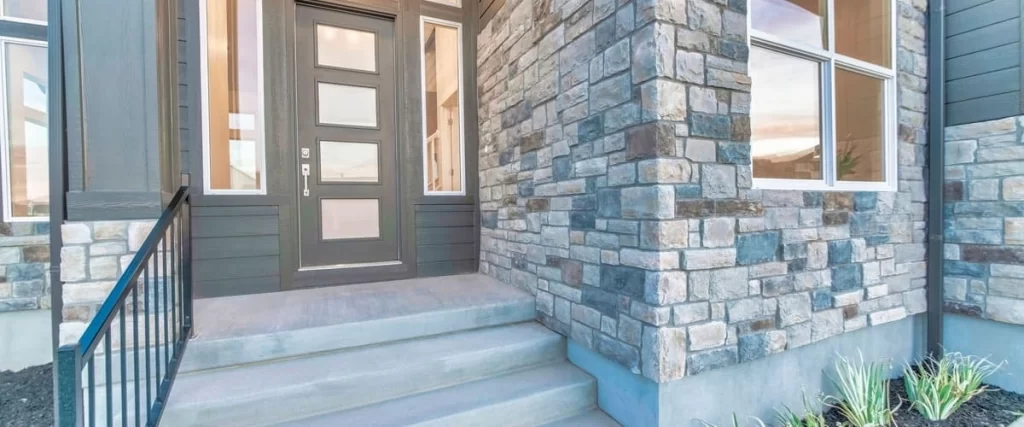
Fiber cement is a unique material, a blend of Portland cement, sand, water, and cellulose fibers. This combination makes the siding incredibly heavy and durable, which is why it requires a professional to install Hardie products correctly.
Unlike wood, fiber cement does not rot or attract pests like termites. Unlike vinyl, it does not melt in high heat or crack when the temperature drops. Fiber cement siding also does not burn, which provides an extra layer of protection for the house and the people inside.
When you look at photos of modern homes, you often see smooth, wide surfaces that look almost like stone or expensive wood. That is often the work of panel siding.
These panels come in large sheets, typically four feet wide and up to ten feet in length. Because they cover a larger area than traditional horizontal planks, they create a very different visual impact. You can use them on the entire house or just as an accent in specific sections to add texture and depth.
Choosing a James Hardie Siding That Fits Your Style
James Hardie offers several textures to help you reach your design vision with Hardie. If you love the look of natural wood but hate the upkeep, the Select Cedarmill texture is an excellent choice. It mimics the grain of cedar, giving you that warm, traditional feel without the risk of moisture damage or warping.
For those who prefer a more industrial or modern look, the smooth texture is perfect. It creates clean lines that look beautiful on contemporary architecture.
There is also the Sierra 8 texture, which features vertical grooves that add a unique character to the siding type.
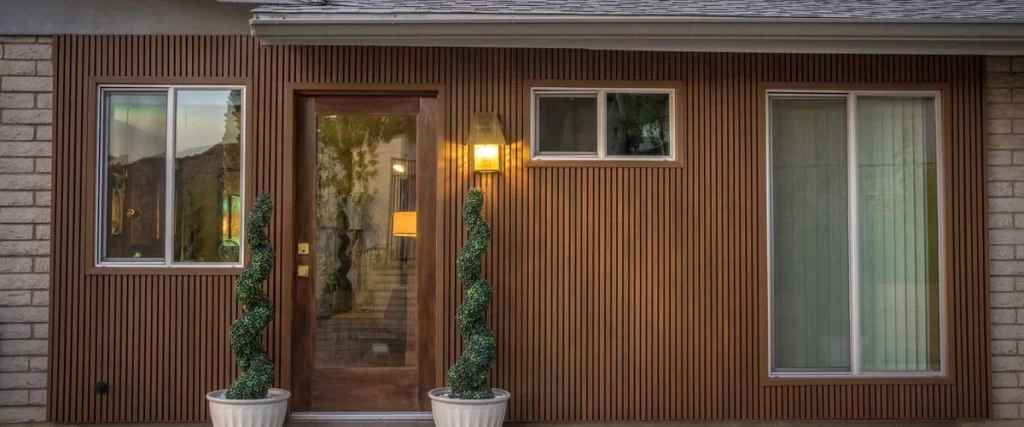
When you combine these panels with Hardie trim, you can create a high-contrast look that highlights the architectural features of your home. Many people love the rustic board and batten look, which is achieved by placing thin strips of trim over the seams of the vertical panels. It is a look that fits perfectly in both rural and suburban settings, giving the home a sense of height and elegance.
The color you choose is just as important as the texture. James Hardie offers a technology called ColorPlus, which is a baked-on color finish. This process involves applying multiple coats of paint in a factory setting and then curing it in an oven.
The result is a color that’s much more resistant to fading and peeling than a standard paint job applied on-site. You might see a house with Hardie planks in Deep Ocean, a stunning blue that stays vibrant for years. Having that baked-on color means you won’t have to worry about repainting every few seasons, which is a huge relief for any busy homeowner.
Investing in Superior Durability and Protection
Your siding plays a major role in keeping moisture out of your home. Hardie siding is designed with this in mind.
When a crew is ready to take on the job, they usually start with a weather barrier. This is a specialized wrap that goes underneath the siding to keep water out while still allowing the house to breathe. If you have the right weather barrier in place, you are much less likely to deal with mold or interior damage down the road.
Because James Hardie products are built for specific climates, they are better at resisting the types of damage common in your region.
Whether it is extreme humidity, freezing winters, or intense sun, the material is engineered to stay stable. It doesn’t expand and contract as much as other materials, which means the seams stay tight and the paint stays put. It is a low maintenance option that allows you to spend more time enjoying your home rather than working on it.
The Cost and Long-Term Value of James Hardie Panel Siding
James Hardie panel siding typically costs between $7 and $15 per square foot installed, depending on your location, labor rates, and project complexity. When you look at this pricing, it is important to consider the long-term value.
Fiber cement siding generally costs more than vinyl but less than natural stone or high-end wood like cedar. The initial investment is higher because the material itself is premium, and the labor required to install it correctly is more intensive. Since the panels are heavy and require special tools for cutting and fastening, it takes more time and skill to complete the project.
However, the return on investment is often much higher. Because it lasts for thirty years or more, you aren’t replacing it nearly as often as you would with cheaper materials. You also save money on maintenance and painting.
If you plan to stay in your home for a long time, the durability of cement siding and trim makes a lot of sense. Even if you plan to sell, many buyers recognize the Hardie name and view it as a high-quality feature that adds value to the property.
Why Choose James Hardie Panel Siding Over Plank?
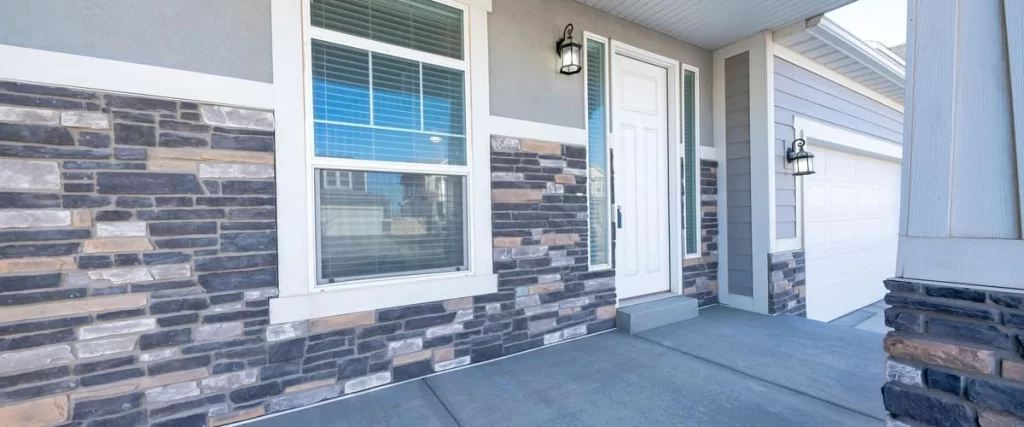
While Hardie Plank is the most common siding type, panel siding offers a different kind of flexibility. Plank siding is horizontal and gives a very traditional look. Panels, being vertical, draw the eye upward and can make a house seem taller and more grand.
If you have a gable or a specific area of the house you want to highlight, panels are a great way to do that. You can even mix the two, using planks on the main body of the house and panels in the peaks to add visual interest.
The choice often comes down to the style of the neighborhood and your personal taste. If you want something that feels fresh and stands out from the rows of standard horizontal siding, panels are the way to go. They offer a sophisticated edge that is hard to replicate with other materials.
Start Your Renovation with James Hardie Panel Siding
As you look at your home and imagine what it could be, remember that this is a process. It takes time to view different colors, look at photos for reference, and decide which texture fits your personality. You want a home that feels like it belongs to you, a place that reflects your vision with Hardie siding.
If you are ready to transform your exterior but feel overwhelmed by the choices, we can help you navigate the process. To get started, call us at (402) 651-1493 or message us here to discuss your project and find out how we can bring your design to life.