
Board and batten siding has long been admired for its clean vertical lines and farmhouse charm. With its rise in popularity across both modern and traditional homes, many homeowners are turning to James Hardie board and batten siding for its durability, low maintenance, and attractive style.
Made from fiber cement, this siding is engineered to last, even in climates with high winds, freezing temperatures, and strong sun exposure, conditions that Omaha homeowners are all too familiar with.
Here’s a breakdown of what makes this product stand out, what it typically costs, and how it compares to other siding options available today.
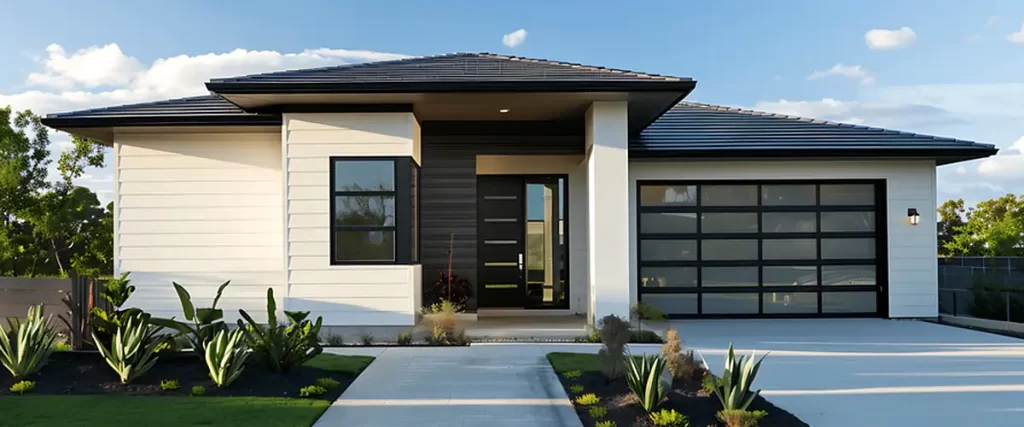
What Is James Hardie Board and Batten Siding?
Board and batten is a vertical siding style where wide boards are installed side by side and narrow battens are placed over the seams. It creates a strong visual pattern and adds dimension to exterior walls. It’s often used on entire homes or as an accent on gables, dormers, or entryways.
James Hardie’s version of board and batten siding is built with fiber cement, combining cement, cellulose fibers, sand, and water to create a long-lasting material that resists moisture and wear.
This style is typically installed using HardiePanel® vertical siding as the base, paired with HardieTrim® battens for the overlay. Together, they replicate the traditional board and batten look while offering modern performance.
Why Homeowners Choose It
Timeless Design
Board and batten works across a wide range of house styles. Whether you’re looking to modernize a craftsman home or add contrast to a traditional ranch, this layout gives a home a bold yet clean appearance.
Strong Performance
James Hardie fiber cement products are built to last. They resist damage from hail, pests, and extreme temperature shifts. Unlike vinyl, the material doesn’t warp or crack in heat or cold. Unlike engineered wood, it won’t swell or decay from moisture.
Low Maintenance
Once installed, the siding requires minimal upkeep. James Hardie’s ColorPlus® Technology finish resists fading and doesn’t need frequent repainting. Occasional washing is enough to keep it looking sharp.
Product Details
HardiePanel® Vertical Siding
This panel serves as the base of the board and batten design. It’s available in several textures:
- Select Cedarmill® – has a soft wood grain appearance
- Smooth – flat and clean, good for a modern look
- Stucco – provides a plaster-like finish
- Sierra 8 – combines vertical lines with a wood-grain look
Each panel comes in 4′ widths and various lengths, usually 8′, 9′, or 10′, depending on wall height.
HardieTrim® Battens
The battens are applied over the panel seams to complete the look. These narrow strips of trim come in multiple widths and can be installed closer together for a denser pattern or further apart for a more open feel. Their thickness matches the panels for a seamless appearance.
James Hardie Board and Batten Siding Cost in 2026
Most Omaha homeowners spend between $11 and $17 per square foot installed for James Hardie board and batten siding in 2026. That range covers materials, labor, trim, fasteners, weather barrier, and standard tear-off. The wide spread reflects the reality that no two siding jobs are identical, and the details of your home decide where you land.
The table below breaks down current 2026 pricing from projects we have quoted and installed across the Omaha metro.
2026 Hardie Board and Batten Pricing Breakdown
| Cost Component | Low End | Average | High End |
|---|---|---|---|
| HardiePanel vertical siding (material only) | $2.75/sq ft | $3.50/sq ft | $5.00/sq ft |
| HardieTrim battens (material only) | $1.10/lin ft | $1.65/lin ft | $2.40/lin ft |
| Labor and installation | $5.50/sq ft | $7.00/sq ft | $9.00/sq ft |
| Tear-off and disposal of old siding | $1.25/sq ft | $1.75/sq ft | $2.50/sq ft |
| House wrap, flashing, fasteners | $0.80/sq ft | $1.10/sq ft | $1.50/sq ft |
| Total installed cost per sq ft | $11.40 | $14.00 | $17.40 |
Sample Project Totals for Omaha Homes
Actual project cost depends on square footage, trim detail, and site conditions. These are representative totals based on recent Carp’s projects:
| Home Size | Siding Square Footage | Estimated Total Installed |
|---|---|---|
| Small ranch (Bellevue, La Vista) | 1,400 sq ft | $16,000 to $24,300 |
| Mid-size two-story (Papillion, Elkhorn) | 2,200 sq ft | $25,100 to $38,300 |
| Large two-story with gables (West Omaha) | 3,000 sq ft | $34,200 to $52,200 |
| Accent application on dormers and gables only | 400 to 600 sq ft | $4,500 to $10,400 |
How It Compares to Other Siding Options
Vinyl Board and Batten
Vinyl siding is usually the most affordable option. It installs quickly and costs less per square foot, often landing around $6 to $10 installed. However, vinyl is more prone to cracking, fading, and warping especially with Omaha’s seasonal temperature swings.
James Hardie siding holds up better under heat and cold. It also has a more solid feel and closer visual match to wood.
Engineered Wood Siding
Engineered wood mimics the look of traditional wood but is made with composite materials for better durability. It’s more impact-resistant than vinyl and lighter than fiber cement. Installation costs are similar to Hardie board, but the material may not last as long in wet conditions.
James hardie fiber cement stands out for its fire resistance and long-term durability. It also doesn’t expand and contract as much as wood-based products.
Traditional Wood Siding
While nothing compares to the look of real wood, the maintenance requirements are high. Wood must be painted or stained regularly to protect against rot and insects. It also tends to be more expensive over time due to frequent upkeep and earlier replacement.
Customization and Color Options
James Hardie siding are available prefinished with ColorPlus® Technology, offering baked-on color that resists chipping and fading. Dozens of shades are available, from crisp whites to deep blues and modern neutrals.
If you prefer to paint on-site, unprimed panels are also available. This route allows for more custom tones but adds time and cost to the project.
In addition to color, texture choices allow you to align the siding with your home’s architectural style. You can keep things sleek and smooth or go with a more rustic grain.
Is James Hardie Board and Batten Right for You?
This siding style works well if you’re aiming to give your home a defined, vertical visual with strong lines and depth. It’s a great fit for both full-home coverage and accent sections. When installed with care, it adds both protection and personality.
Homeowners who select this option are often looking for:
- A more durable alternative to vinyl
- Better long-term value with less maintenance
- A siding style that stands out but remains clean and timeless
- A product with resistance to fire, moisture, pests, and temperature changes
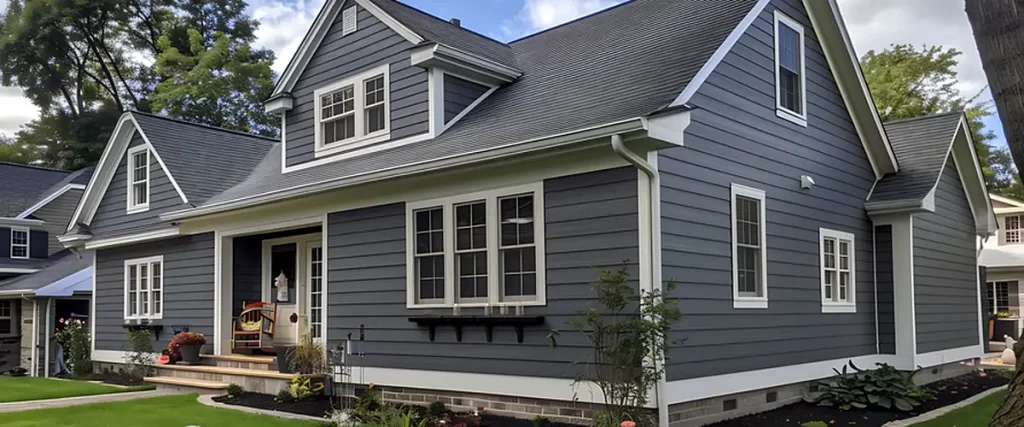
James Hardie Board and Batten Siding FAQs
What are the dimensions of James Hardie board and batten details?
HardiePanel vertical siding comes in 4-foot wide panels at lengths of 8, 9, or 10 feet. Panel thickness is 5/16 of an inch. HardieTrim battens are typically 5/4 inch nominal thickness (actually 1 inch) in widths of 2.5, 3.5, 5.5, or 7.25 inches. The battens install over the panel seams and are spaced according to the design you pick. Standard spacing options are 8, 12, 16, or 24 inches on center.
Does James Hardie make 1×2 batten strips?
James Hardie does not manufacture a true 1×2 batten strip. The narrowest HardieTrim batten option is 2.5 inches wide (a nominal 1×3). If you specifically need a 1×2 look, some contractors rip down wider HardieTrim boards, but this voids the factory-finished edges and the ColorPlus warranty on the cut side. For an authentic narrow-batten look that keeps the warranty intact, the 2.5-inch HardieTrim is the right choice.
What is batten board siding?
Batten board siding, also called board and batten, is a vertical siding style where wide boards are installed edge to edge and narrow strips called battens are placed over the seams. The result is a strong vertical pattern with raised lines that add depth and shadow to the wall. The style dates back to early American barn construction and remains popular on farmhouses, modern homes, craftsman homes, and accent walls on gables and entryways.
How long does Hardie board and batten siding last?
James Hardie fiber cement siding carries a 30-year non-prorated limited warranty on the material and a 15-year warranty on the ColorPlus finish. In Omaha’s climate, properly installed Hardie board and batten regularly lasts 40 to 50 years with only basic washing and occasional caulk touch-ups. We have seen Hardie siding installed on Omaha homes in the early 2000s still performing without cupping, cracking, or paint failure.
Or Maybe You’d Rather Let Us Handle It
There’s a lot involved in getting this style just right. Choosing the right panel and trim size, calculating spacing, figuring out batten layout, and handling precise cuts takes time, tools, and skill. When you add in the removal of old siding, permit requirements, and cleanup, the scope can feel bigger than expected.
We do siding installation for homeowners across the Omaha area, and we’ve worked with homes of all sizes and shapes. If you’d like help selecting the right materials or want it installed by a team that’s done it many times before, we’d be glad to talk.
Call us at (402) 651-1493 or Contact us to schedule a conversation. Our siding contractor will help you decide what works best for your home and get it done with the detail and care it deserves.