Your home’s durability is essential. Between humid summers, cold snaps, and busy family life, nobody wants siding or tile work that cracks, swells, or needs fixing every few years. That’s why James Hardie backer board keeps popping up in conversations with contractors, tile installers, and even at the local Lowe’s aisle. It promises strength, stability, and a smooth surface that stands up to moisture and time.
This material shows up behind tile, under floors, and in wall assemblies that need a solid foundation. If you are weighing options for bathrooms, kitchens, or even exterior siding systems, it helps to understand how James Hardie backer board performs and where it fits best.
What is the James Hardie Backer Board?
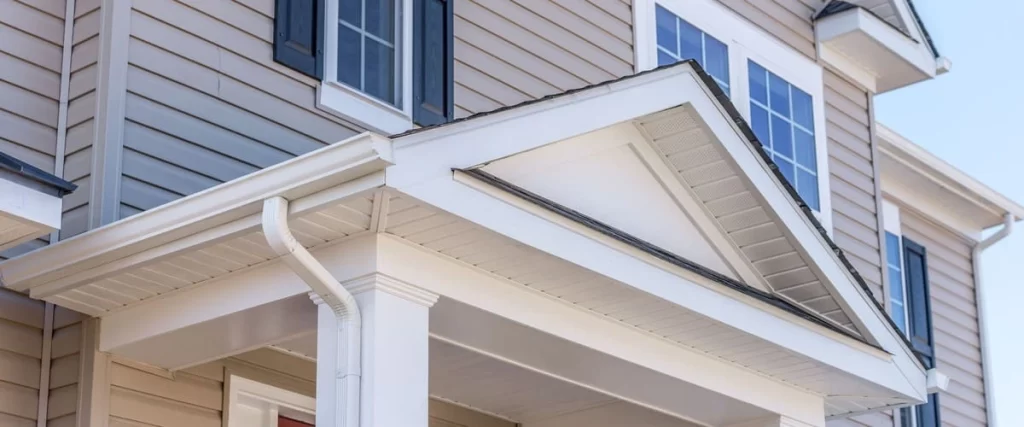
James Hardie Backer Board is a cement board engineered to support tile installations and other finishes. It is made from cement, sand, and fibers that give it impressive compressive strength. That strength helps the tile stay put without cracking or shifting.
Here’s a quick rundown of the benefits of James Hardie backer board:
| Key Feature | Benefit |
| Cement board core | Resistant to moisture and water exposure |
| Smooth surface | Excellent tile adhesion and clean finishing |
| Engineered structure | Consistent performance across walls and floors |
| Lightweight boards | Easier access and faster installation time |
| Brand reputation | Often cited in TILE Magazine as a preferred brand |
Many contractors lean toward Hardie Backer because it snaps cleanly when cut, holds screws well, and does not crumble like some older backer board products. That reliability matters when a tile job needs to last.
It is easy to confuse backer board with siding panels. James Hardie is known for both, but they serve different roles. Backer board sits beneath tile, stone, or even paint in specific assemblies. Meanwhile, siding products face the elements directly.
That said, the same engineering philosophy applies. James Hardie products focus on resisting moisture damage, cracking, and wear. Homeowners who like that approach indoors often choose Hardie siding outdoors too, especially when working with experienced contractors who understand the specs.
James Hardie Backer Board: Cost Breakdown
Backer board pricing depends on thickness, board size, and where you buy it. At big-box stores like Lowe’s, sheets usually fall within a moderate price range compared to generic cement board. It is not the cheapest option, but many installers feel the performance justifies the cost.
Factors that affect the final price include:
- Board thickness for walls versus floors
- Quantity needed for the space
- Installation labor and finishing time
- Additional materials like screws, mesh tape, and waterproofing
Tile installers often mention that a smoother surface saves time during installation. Less time fixing uneven spots can mean lower labor costs overall.
Performance Compared to Other Board Options
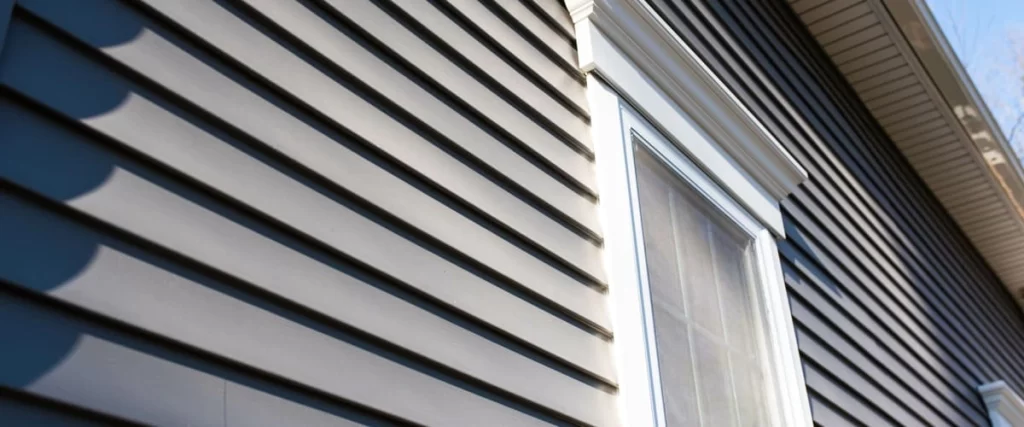
You might wonder if all cement board performs the same. It does not. Some boards absorb water more readily, which can lead to swelling or long-term damage behind tile or wallpaper.
Hardie Backer board stands out for its moisture resistance and consistent texture. It does not have the gritty surface found on some competitors, which helps tile bond evenly. That can make a real difference in bathrooms and kitchens where water exposure is constant.
According to guidance from the Tile Council of North America, proper substrate selection plays a big role in long-term tile performance, especially in wet areas.
Installation Details That Matter
Installation quality matters as much as the board itself. Hardie Backer requires proper spacing, fastening, and joint treatment to perform as intended. Skipping steps or rushing the process can reduce its strength.
Key points pro installers pay attention to include:
- Leaving small gaps between boards for movement
- Using approved screws rather than nails
- Taping and thin-setting seams correctly
- Cutting boards with a score and snap method to reduce dust
This is where experienced contractors make a difference. We understand how to protect the board from unnecessary damage during installation and finishing.
Moisture Resistance and Long-Term Durability
Moisture is the enemy of many building materials. Traditional drywall can fail quickly in wet areas. James Hardie backer board does not break down when exposed to water, which is why it is commonly used behind tile in showers, around tubs, and on bathroom floors.
It is important to note that the backer board itself is not a waterproof barrier. It resists water damage, but proper waterproofing systems still matter. When paired with membranes or sealants, it creates a durable assembly that performs year after year.
For more technical data on the product’s moisture resistance and strength, visit the official James Hardie site.
How Backer Board Compares to Drywall and Other Substrates
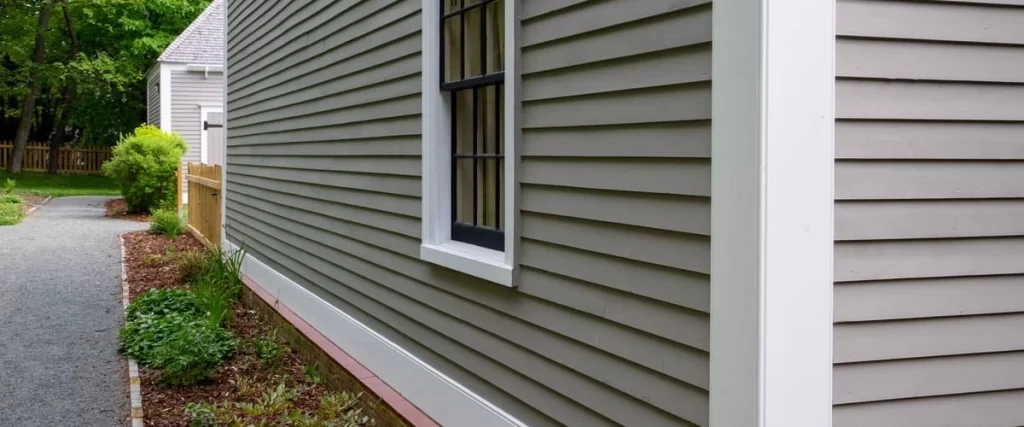
Why is drywall not enough under tile? The answer comes down to strength and resistance. Drywall lacks the compressive strength needed to support tile without cracking over time. It also suffers when exposed to water.
Backer board provides a solid foundation that drywall simply cannot match. It supports heavy tile, handles daily moisture, and keeps surfaces flat. That stability protects your investment in tile and finishing materials.
Common Backer Board Mistakes to Avoid
DIY enthusiasm is great, but backer board has rules. Some common issues contractors see include improper fasteners, skipped seam treatment, and rushing the job.
Mistakes often lead to:
- Cracking tile
- Loose floors
- Moisture damage behind walls
If you understand the system, you see why professionals take their time with layout and fastening. It is not about permission or red tape; it is about making the assembly perform as designed.
FAQs About James Hardie Backer Board
Is James Hardie backer board good for bathrooms and kitchens?
Yes. It is designed for high moisture areas and supports tile well when installed correctly.
Can backer board be used on floors and walls?
It works on both. Thickness and fastening methods vary by application.
Does Hardie Backer replace waterproofing membranes?
No. It resists moisture but still needs proper waterproofing for wet areas.
How hard is it to cut and install James Hardie backer board?
Most installers use a score-and-snap method. It is manageable, but dust control and proper tools matter.
Is it worth the extra cost compared to generic cement board?
Many contractors believe so due to consistent performance, smoother texture, and reduced installation time.
Wrapping It All Up
Learning about James Hardie backer board helps you understand why so many tile installers and contractors rely on it. It offers strength, moisture resistance, and a smooth surface that supports long-lasting tile work. The details matter, though, from proper installation to pairing it with the right waterproofing system.
At the end of the day, it might be easier to let experienced professionals handle it for you. If you are considering siding installation or related projects, call us at (402) 651-1493 or message us here to talk with a local team that knows how to make James Hardie products perform at their best.