
Pocket inserts save time and money when your frames are solid. Full-frame replacement is the right call when they’re not, or when you want the best thermal performance available.
That’s the answer.
The rest of this is about making sure you actually know which situation you’re in.
What’s the Real Difference Here?
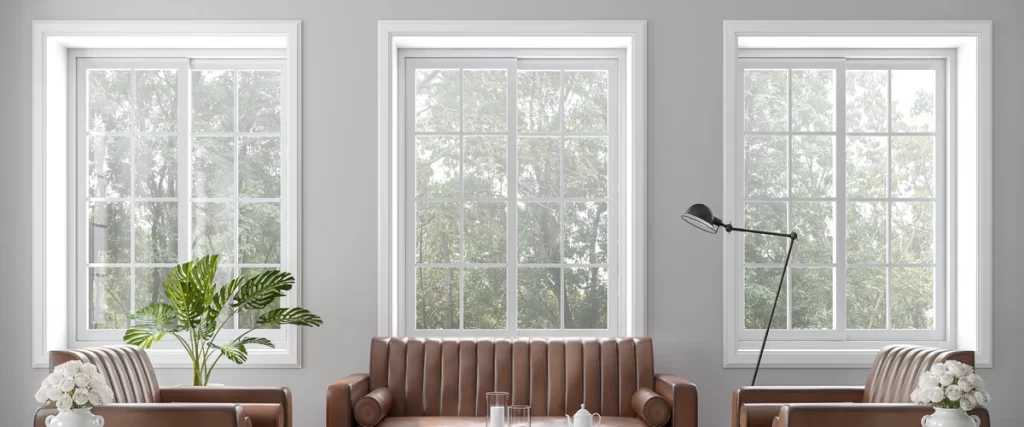
Both options result in a new window. The difference is what surrounds it.
Full-frame replacement removes everything: the frame, the sill, the exterior trim, down to the rough framing in the wall. A brand-new window unit gets built into the opening from scratch.
Pocket inserts (sometimes called insert replacements) leave the existing frame in place. The sash, hardware, and interior stops come out, and a new window slides into the existing frame cavity. Less disruption. Less time. Usually less money.
Side-by-Side: Full Frame vs Pocket Insert
| Full Frame | Pocket Insert | |
| Frame condition required | Any | Must be structurally sound |
| Glass area | Full, unobstructed | Slightly reduced |
| Energy performance ceiling | Higher | Limited by existing frame |
| Cost | Higher | Lower |
| Interior/exterior disruption | More involved | Minimal |
| Style change flexibility | Yes | No |
| Egress compliance | Addressable from scratch | Can be a problem |
| Typical install time | 1-2 days (full home) | Faster per window |
The Case for Full-Frame
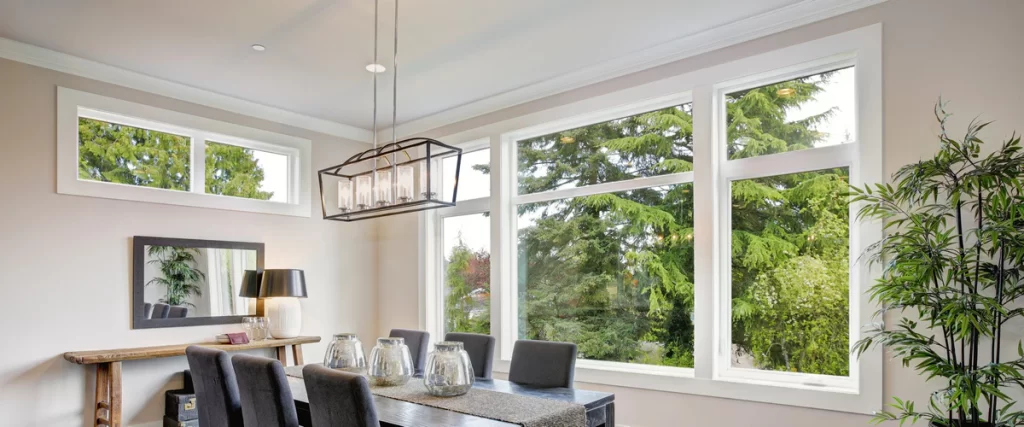
When frames have been compromised, full-frame replacement is the only option that actually solves the problem. Rotted sills, water-damaged jambs, or frames that have shifted out of square over decades create conditions where a pocket insert just covers up the damage. You get a new window sitting on a broken foundation.
There’s also the egress issue. Bedrooms and basement windows must meet minimum egress size requirements under local building codes. Since a pocket insert slightly reduces the glass area (the new frame nests inside the old one), windows already near minimum size can fall out of compliance. Full-frame work starts from the raw rough opening, so you can address egress requirements directly.
One regulatory note worth having on your radar: under the EPA’s Renovation, Repair and Painting Rule, contractors must follow lead-safe work practices when disturbing painted surfaces in homes built before 1978. Full-frame replacement typically triggers this. Any reputable installer handles it as standard practice.
A few clear signals that full-frame is the right path:
- Soft spots, visible rot, or water staining around the frame or sill
- Drafts that persist even after sash-level repairs
- Windows that are at or near the minimum egress size
- Frames that are visibly out of square or warped over time
- A larger exterior renovation where trim is already being removed anyway
When Pocket Inserts Make Good Sense
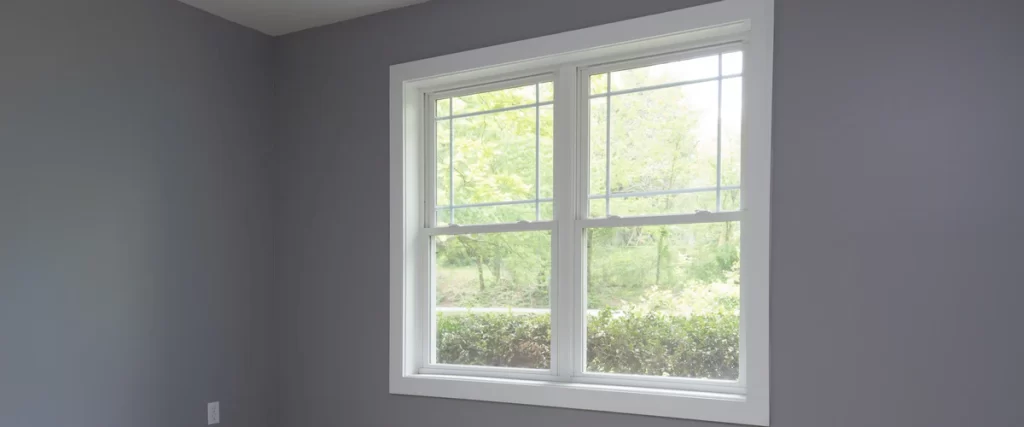
The biggest appeal of pocket inserts is what they avoid. No exterior trim gets touched, the interior disruption is minimal, and the job moves faster. For homeowners with genuinely solid frames who want to upgrade the glass and hardware without turning their home into a job site for a week, the math works.
They’re also a sensible choice in older homes with distinctive exterior trim worth preserving. A pocket insert modernizes the performance without touching the character of the surround.
The detail most people miss: that slight reduction in glass area matters for some windows and not at all for others. A large picture window losing half an inch per side is cosmetically invisible. A bedroom window already close to minimum egress size is a different story. Know your dimensions before you decide.
The Energy Efficiency Question
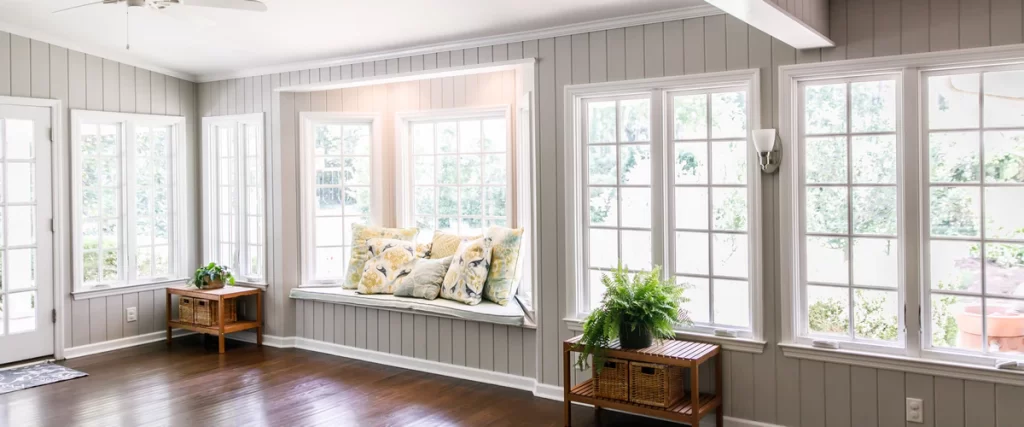
Full-frame replacement refreshes the entire thermal envelope around the window, not just the glass. That advantage is real. According to ENERGY STAR, replacing old windows with certified models can lower household energy bills by up to 13% nationwide when upgrading from single-pane windows. Full-frame installs tend to capture more of that potential because nothing from the original installation is left behind.
That said, a well-installed pocket insert with a quality glass package will still outperform a careless full-frame job every time. Method matters, but workmanship matters just as much.
FAQ
Can I change my window style with a pocket insert? Generally, no. The new window has to fit inside the existing frame, so your style options are constrained to what fits that specific opening. Full-frame replacement removes that limitation entirely.
My house was built in the 1960s. Does that change anything? Potentially, yes. Homes built before 1978 may have lead-based paint around window trim. EPA regulations require lead-safe work practices any time a renovation disturbs those surfaces. A solid contractor builds this into the job automatically.
How do I tell if my frames are actually holding up? Press into the sill and jamb corners with something firm, a screwdriver or even your thumbnail. If it sinks in or feels soft, there’s rot. Look for discoloration, swelling, or any give in the wood. When it’s unclear, an in-person assessment before committing to either method is always worth the time.
Which option adds more resale value? Full-frame replacement with a quality window typically has a stronger impact on resale, particularly in climates like Nebraska’s where buyers notice window quality. It signals that the home has been maintained at a serious level.
Honestly, You Could Just Call Us
This whole analysis, frame assessment, egress math, glass package selection, lead paint protocols, is exactly what a good contractor works through before the first measurement is taken. Most homeowners we visit already think they know which option they need, and then we look at the frames and the conversation changes.
If you’d rather skip the research and get a straight answer from someone who can actually look at your windows, our window replacement team in Omaha is ready to help. Call us at (402) 651-1493 or message us here. One visit, honest advice, no pressure.